
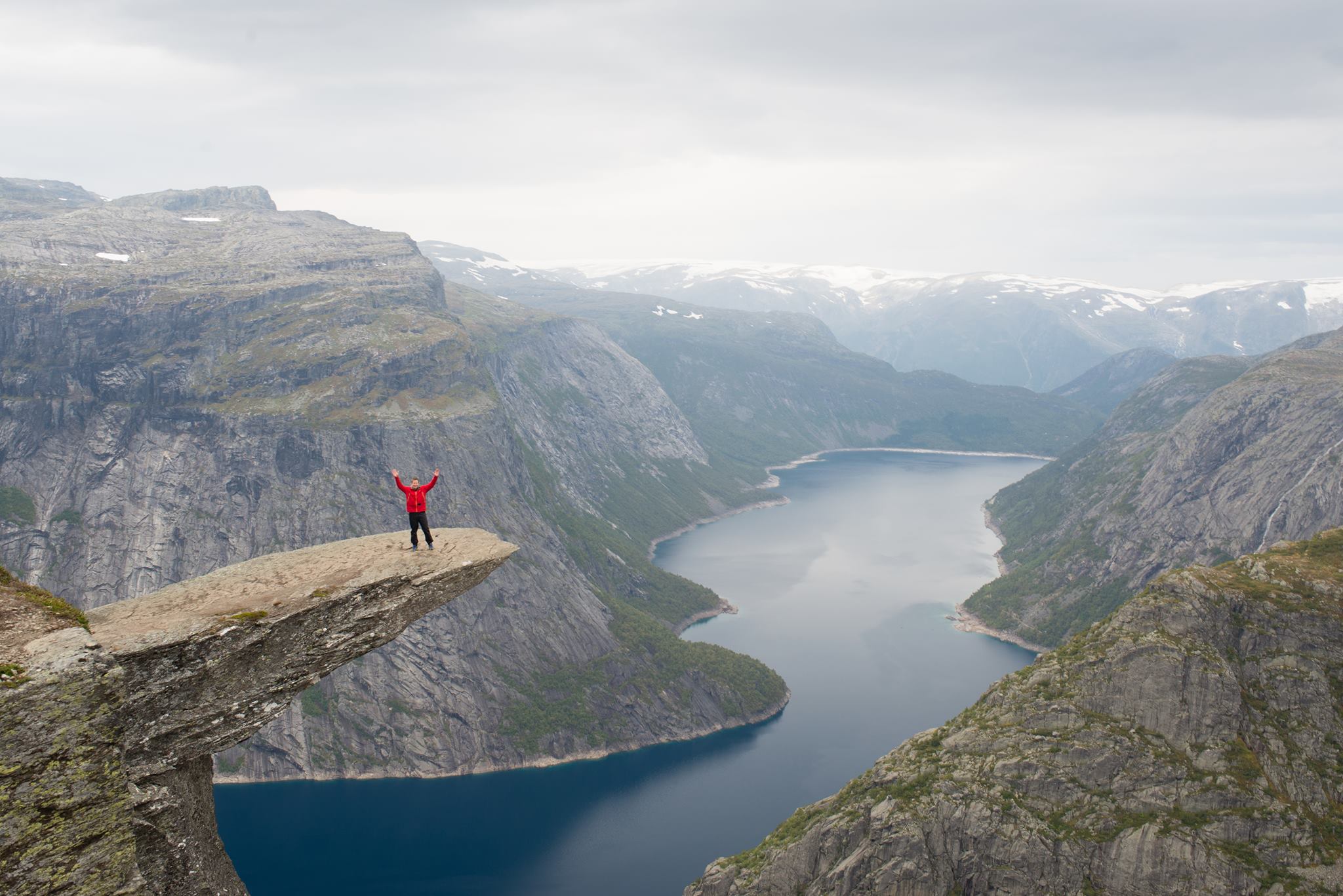
Author: davidbeaty
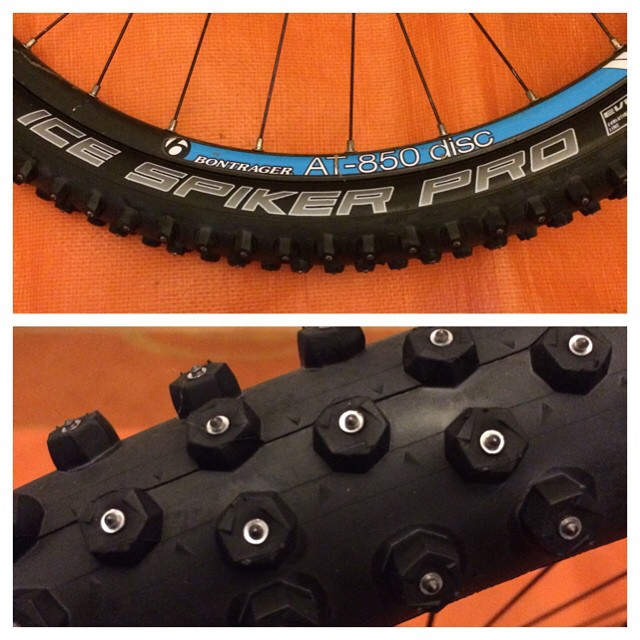
Ready for the #Norway winter with my spiked tires. Bring on the ice! #stavanger #biketowork
via Instagram http://ift.tt/1yUeO6M
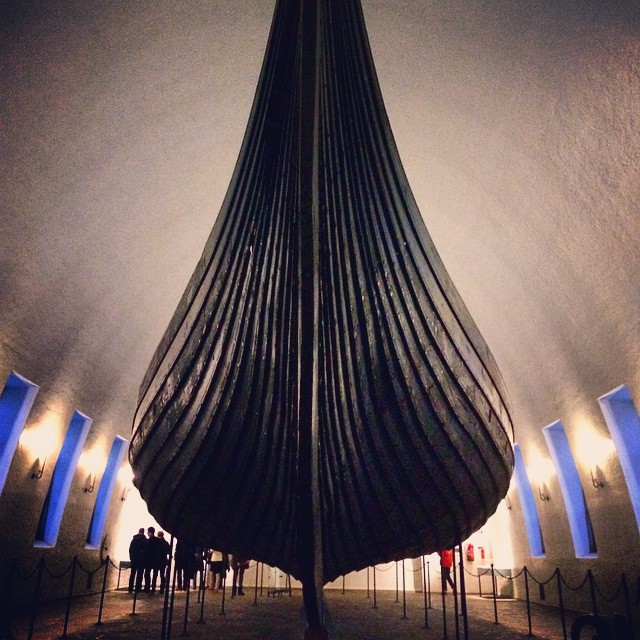
One of the oldest viking ships ever found. We have seen a lot in a few days in #Oslo !!
via Instagram http://ift.tt/1tuTpKz
1960 Datsun Bluebird seen at museum in #Oslo #Norway

via Instagram http://ift.tt/1ycgAQx
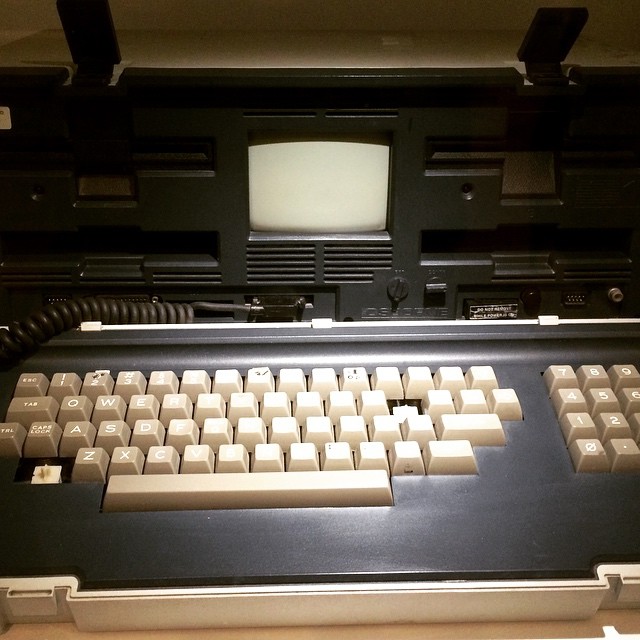
Seen at the technology museum in #Oslo #norway Check out the screen size!
via Instagram http://ift.tt/1tuTlKE
Quick snapshot from the train to #Oslo. Kids are loving just looking out the window!
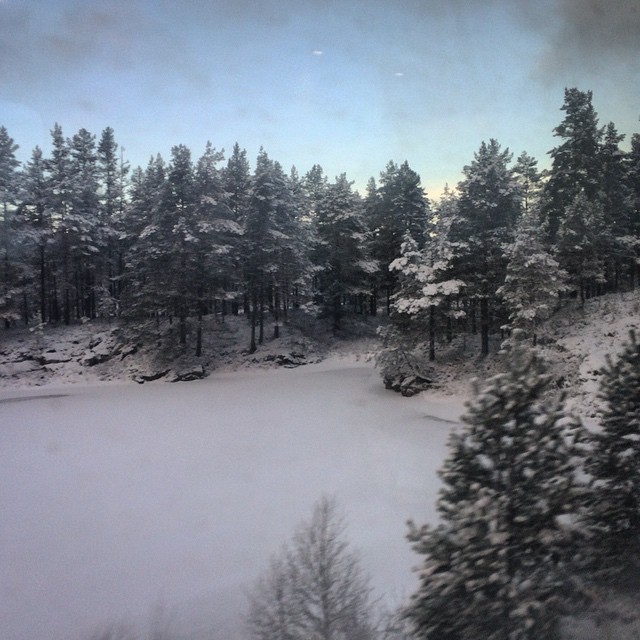
via Instagram http://instagram.com/p/xHLL2OzbZ8/
Acacia relaxing by the water at sunset #norway #sunset@340
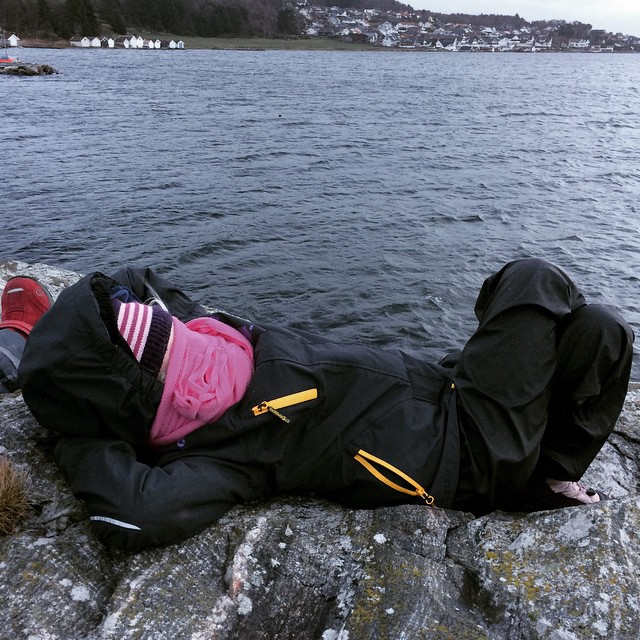
via Instagram http://ift.tt/1t1dUUo
#COETAIL4 #FinalProject #ISSmeetsSocialMedia

I made this animated gif on gifmaker.me with content from Somacro on DeviantArt
As I am the Director of Technology, this “unit” is a project that I will work on across the entire school community literally. This project is a social media education program that spans the entire community.
In the first prong, I will work to educate parents on the world of social media. Many parents have a Facebook account and are familiar with that single website, but many many more do not keep up with the other forms of social media that their children are using. I find most parents live in fear of tools like Instagram, SnapChat and Twitter. Also they don’t see how these tools could fit into their lives in either a purely social or educational way.
I find there are two things that work best with parents and I will plan to pursue these areas as I progress through this “unit”. The first are general informational settings with lots of resources embedded. Essentially this will be a big group in the theater or library, with me advertising the session to parent ahead of time (using the parent association is key!) I’ll present an overview of social media with some tips for the parents to use at home etc.
The second piece that I will use with parents is a more hands-on session where they can try out about the various social media tools that are out there. This may be a session where I invite students as well, but my first thought is to make this a parent-only session. This part is essential as most parents who will attend the “teaching session” will not actually go home and try out the tools I mention.
The second prong is teacher education. This one will be fun! Sure there are a handful of teachers out there who are using social media for personal goals, but the number of teachers using social media in the classroom is very small. In some non-scientific preliminary research (AKA water cooler conversations) most teachers at my school feel that social media is for personal use (catching up with friends etc.) and they should not cross the line into educational social media. It’s interesting to me, as the social media I use the most, Twitter, is completely professional for me. I very rarely post personal content.
Through faculty meetings, after school workshops and personal meetings, I will paint a new picture of how social media can be used. I think it will be best to connect teachers within the school first. In this way they will have their own little social network. Quickly though, I will link these small groups to the larger world since that is the point after all! There is much work to be done here and there are some unique laws in Norway regarding the use of social media but I am truly excited about starting this fire in our faculty.
Students. They are the focus of the last prong of this project/unit. As we know, students are typically the heavy users of social media, but they are creating and consuming on social media with a (mostly) non-educational purpose. It’s a means to connect with their peers, not necessarily to truly connect with the world. I also find that many students do not understand some of the basic guidelines for social media. So my approach with students will be to educate them about best practices and also get them to see the value of connecting their lives and their work to a broader audience.
This “unit”/social media project is going to rock some worlds here at my school! I know there are some parents, teachers and students who are ready for this step, but there are plenty that are not. Wish me luck as I endeavor to expand the personal learning networks of our entire community!
Acacia; “Can we buy this, whatever it is?” #interestingnorwayfood

via Instagram http://ift.tt/1qI8xYY
The Power of the Project
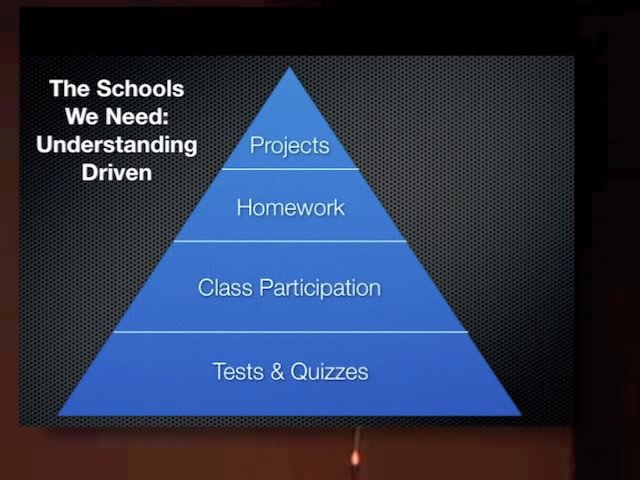
image credit: via Chris Lehmann’s video on YouTube
When reflecting on PBL I always think of Chris Lehmann‘s now classic talk “The Schools We Need” that he presented at Ignite Philly 2008. In that talk he paints the picture of schools that are, among other things, heavily project-based. He’s got a great hierarchy that illustrates the need for what he calls an “understanding driven” system. We used to put tests at the top of this pyramid but he suggests that place be reserved for projects. And I agree with him.
I’ve got three main reasons for buying into this idea that project based learning should be the ultimate assessment.
#1 We teach kids not content
Chris mentions this in his talk. This is the core reason why PBL works so well. Students are more engaged when there is something real on the line (authentic assessment) or at least when there is the illusion of something real (mock trial for example). Because we are humans it’s in our nature to work on teams with a common goal. We are simply wired to be drawn to projects, goals, tasks. This is of course, why the opposite is true for memorizing facts. Of course, there is a place for facts. It’s a little tough in a debate about world hunger to have to stop and Google a simple fact about international food supply, etc. It would kill the argument. But overall humans like to completely engage in something like a project. And we are teaching humans, remember!
#2 PBL Forces Teacher Collaboration
This one may seem a little out of left field but I feel this hidden power behind PBL is worth mentioning. This may be true to some extent with any new initiative in a school, but PBL really does make teachers collaborate in new ways. If your high school, for example, makes a move towards PBL this would mean that your teachers who may have previously worked more in isolation would be forced to collaborate more. This happens because in true PBL work there is quite a bit of cross curricular work to be done. In extreme cases where a school goes all in with PBL this means teachers have no choice but to work together on what becomes total cross-curricular projects. For example I know that ISB Beijing is experimenting with PBL using a school-within-a-school concept. They have completely adjusted the schedule, allowing time special project time on certain days of the week. Any kind of PBL that is operating at that level must bring teachers together. In another case in Danville, KY 40% of the teachers have left the district since they started PBL. This sounds extreme, but what it means is that those who remain will be stronger collaborators. Those people who believe in the direction the district is taking remain and will carry things forward as a stronger team.
#3 It Fosters Individualized Learning
With PBL there are always roles and responsibilities. When every student does not have the exact same role, that lets students shine in the area where they are more specialized. For example, when a group chooses some form of multimedia to present their findings, there are likely going to be students who excel at certain elements. Someone in the group will be able to see the bigger picture, getting students to focus on the right part of the project. Someone else may be a whiz at the video editing piece. The resident artist or writer will have their place. This will allow students to individualize their learning, taking their own personal perspective on the project. By making it their own, they get the chance to use their skills, really prove themselves in an area of interest to them. In the perfect scenario the teacher allows time for good cross-training as well. With enough time the “coder” and the artist get to show each other their work/techniques. Everyone wins.
So I encourage you as an individual teacher to get out there and try PBL. Just because your whole school is not on a PBL kick does not mean that you cannot get your feet wet and try this out yourself. I am sure you will see the benefits!
 $.02
$.02 